 Sky
Sky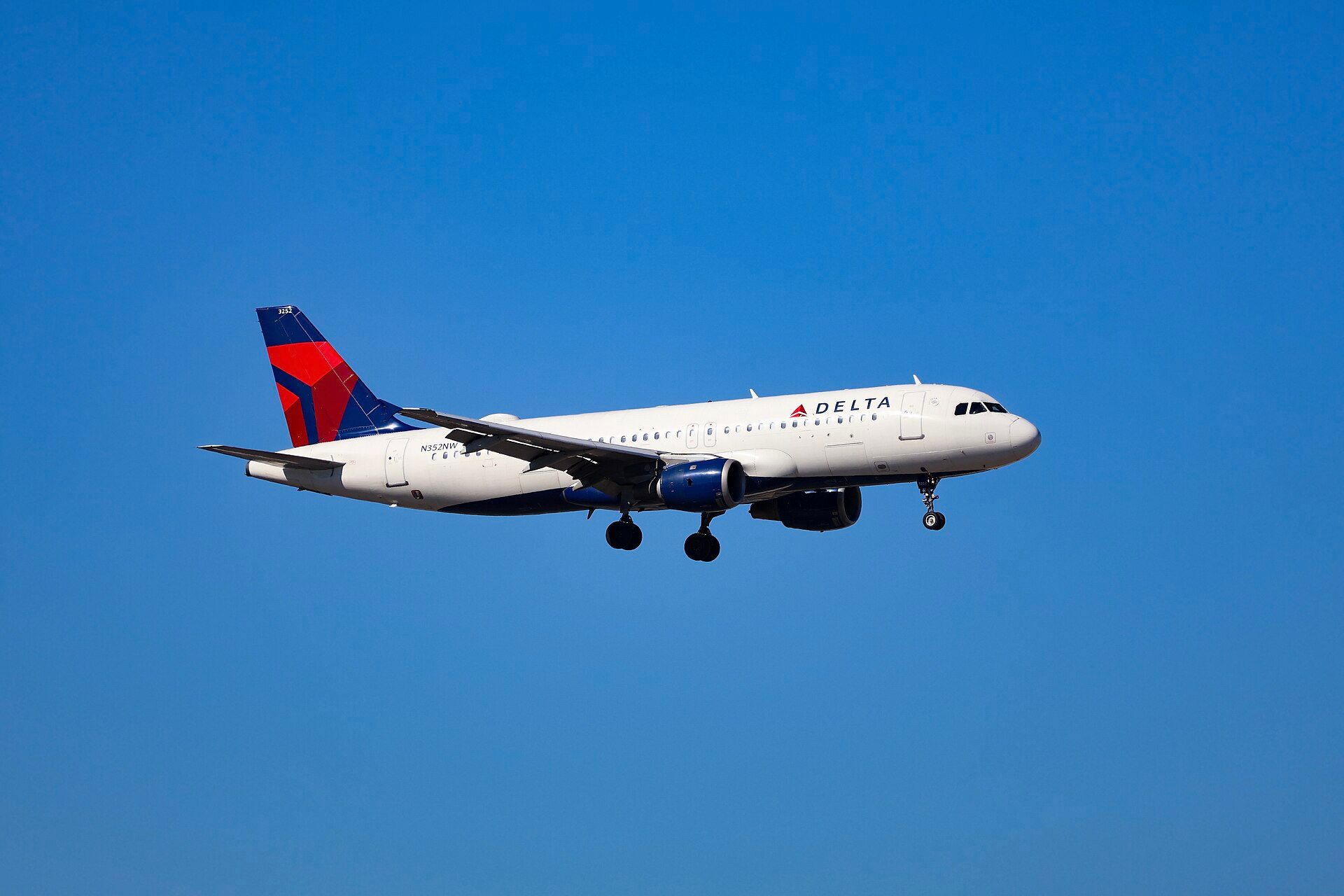
Delta Flight From Maui Diverts to Honolulu After Fumes Reported
Delta Flight 394 from Maui to Seattle diverted to Honolulu after fumes were reported, with four people taken to hospital in stable condition.
News about airlines, operations, and industry
Delta Flight 394 from Maui to Seattle diverted to Honolulu after fumes were reported, with four people taken to hospital in stable condition.
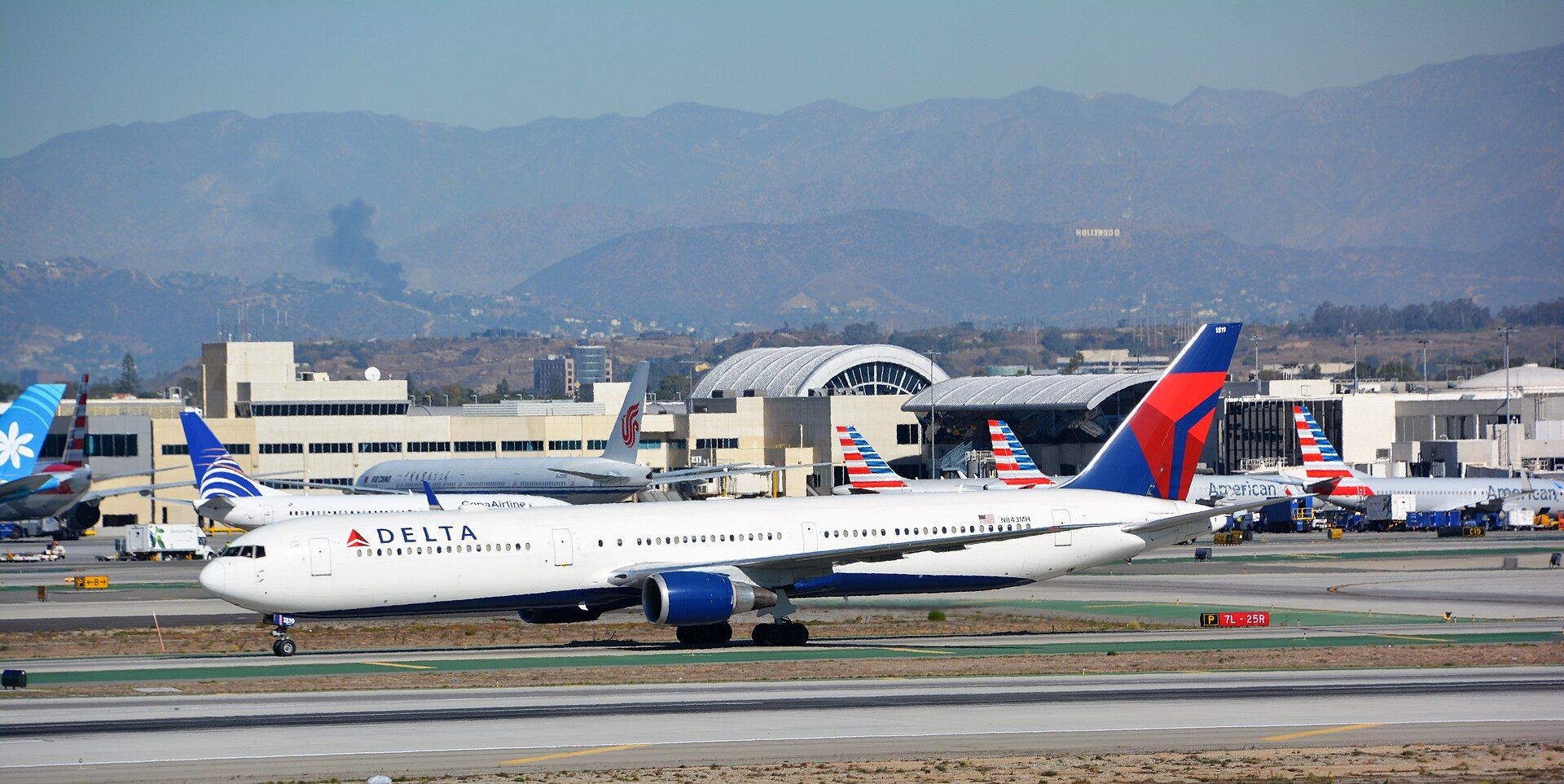
Delta will operate more than 200 daily departures from LAX at the summer 2027 peak, adding new nonstop routes to Monterey and Philadelphia.
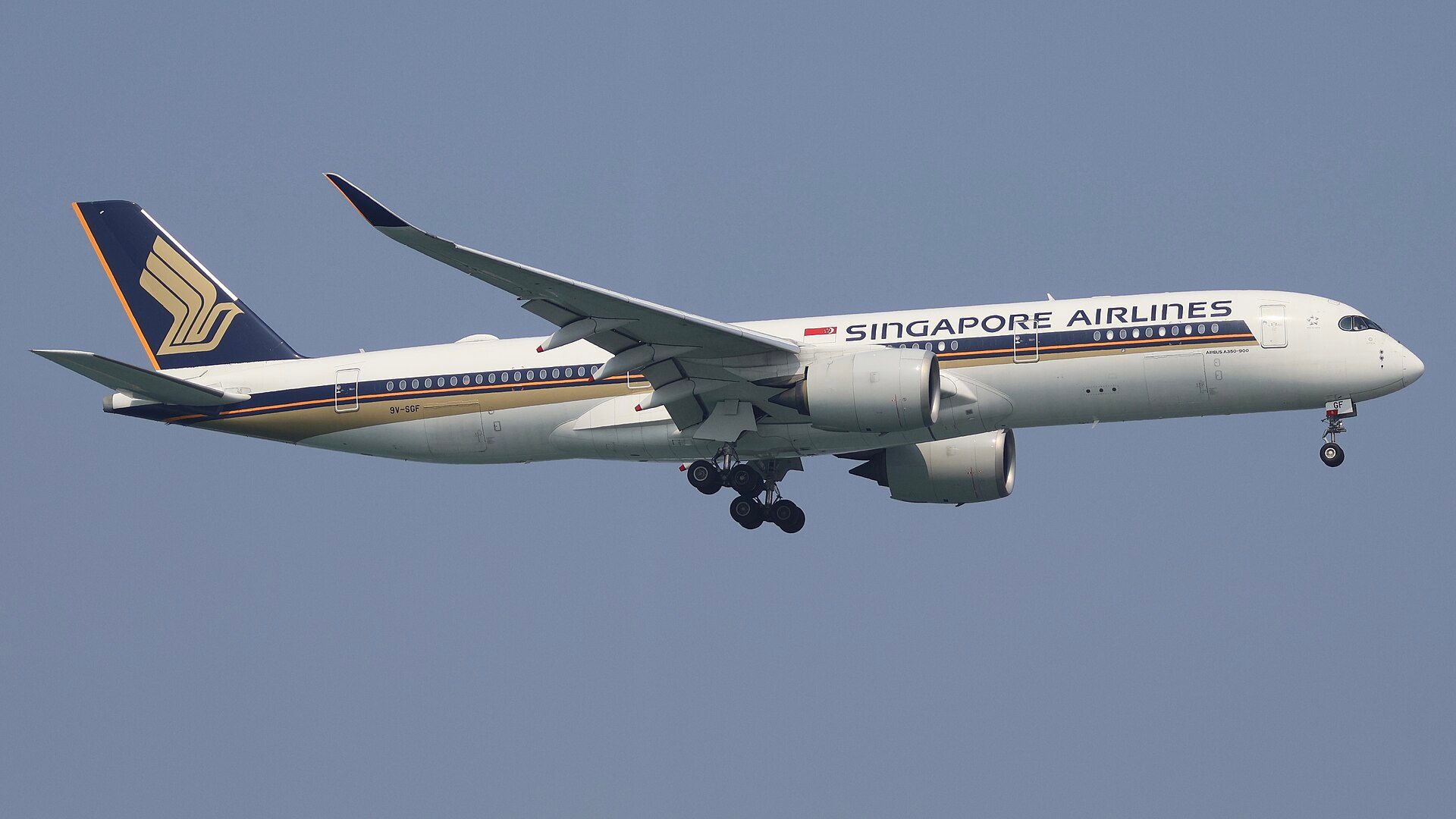
Singapore Airlines has been named the World's Best Airline for 2026 at the Skytrax World Airline Awards, the sixth time the carrier has taken the top accolade.

The commercial electric aircraft market, valued at 15 million in 2025, is projected to reach 31 million by 2035, with a CAGR of 22% from 2026 to 2035.2026 is a pivotal year for Advanced Air Mobility (AAM), with several eVTOL developers entering crucial phases of production, flight testing, and market preparation. This development has significant implications for aviation industry stakeholders, including airlines, manufacturers, and regulatory bodies

The FAA is moving to streamline regulatory approvals for unmanned aircraft systems (UAS) by implementing Section 927 of the FAA Reauthorization Act of 2024, allowing regulatory relief through waivers rather than exemptions. New proposed Part 108 and Part 146 regulations, expected to be finalized in early to mid-2026, will enable Beyond Visual Line of Sight (BVLOS) operations without individual waivers and introduce new operator roles. This development has significant implications for aviation

Airbus has launched Skywise, a new wholly-owned subsidiary that merges Skywise digital solutions and Navblue solutions, aiming to streamline flight, technical, and ground operations for both Airbus and non-Airbus fleets. The subsidiary employs around 750 people globally and marks a significant step in Airbus's digital transformation strategy. This development has significant implications for aviation industry stakeholders, including airlines, manufacturers, and regulatory bodies

Malaysia Airlines is strengthening its East Asia network by resuming direct flights to Fukuoka, Japan from September 2026 and launching new services to Shenzhen and Changsha, China starting July 2026. The airline also plans to increase frequencies across its ASEAN, South Asia, Australia, New Zealand, and European routes as part of its ambition to become one of the world's top 10 global airlines by 2030. This development has significant implications for aviation industry stakeholders, including

ZeroAvia's 600-kilowatt hydrogen-electric powertrain has moved closer to FAA certification after the agency published special conditions, paving the way for commercial deployment in 10-20 seat aircraft. The technology promises 90% emissions reduction and 40% lower operating costs. This development has significant implications for aviation industry stakeholders, including airlines, manufacturers, and regulatory bodies. The broader trend reflects ongoing shifts in global aviation markets and

Effective March 18, 2026, the FAA has suspended visual separation and now requires radar separation for airplanes and helicopters in Class B and Class C airspace and Terminal Radar Service Areas. The rule change follows a mid-air collision near Ronald Reagan Washington National Airport in 2025. This development has significant implications for aviation industry stakeholders, including airlines, manufacturers, and regulatory bodies. The broader trend reflects ongoing shifts in global aviation

Alaska Airlines is making its European debut with daily non-stop service between Seattle and Rome Fiumicino starting April 28, 2026, and daily year-round service to London Heathrow from May 21. The expansion includes seasonal flights to Reykjavik, marking a significant transatlantic push by the carrier. This development has significant implications for aviation industry stakeholders, including airlines, manufacturers, and regulatory bodies. The broader trend reflects ongoing shifts in global

The U.S. House Transportation and Infrastructure Committee unanimously approved the bipartisan ALERT Act (Airspace Location and Enhanced Risk Transparency Act) on March 26, 2026. The legislation responds to the 2025 mid-air collision near Reagan National Airport and mandates updates to helicopter route safety, ATC training, and a public database for close proximity encounters. This development has significant implications for aviation industry stakeholders, including airlines, manufacturers

Boeing successfully conducted a critical rejected takeoff (RTO) test for its new 777-9 on April 3, 2026, a key certification requirement. During the test, the aircraft's brakes reached extreme temperatures of approximately 2,500°F (1,370°C), demonstrating the system's robustness under maximum energy conditions. This development has significant implications for aviation industry stakeholders, including airlines, manufacturers, and regulatory bodies

Air India announced on April 4, 2026, that it will operate 42 scheduled and non-scheduled flights to and from the West Asia region, including 26 non-scheduled flights to and from the UAE, due to airspace restrictions. The airline is proactively rebooking affected passengers and ensuring continuity of services to North America, Europe, Australia, and other regions. This development has significant implications for aviation industry stakeholders, including airlines, manufacturers, and regulatory

Joby Aviation has been selected as a partner in multiple winning applications under the FAA's Electric Vertical Takeoff and Landing (eVTOL) Integration Pilot Program, enabling early operations in 2026 across 10 U.S. states. The program aims to gather data to inform future regulations for Advanced Air Mobility, with public operations expected by summer 2026. This development has significant implications for aviation industry stakeholders, including airlines, manufacturers, and regulatory bodies

NOAA's Domestic Aviation Forecast System (DAFS) v1.0 became operational on March 30, 2026, providing more detailed, real-time forecasts of icing and turbulence risks across the contiguous U.S. and Alaska. The system uses high-resolution modeling and radar data to improve flight planning and passenger safety. This development has significant implications for aviation industry stakeholders, including airlines, manufacturers, and regulatory bodies. The broader trend reflects ongoing shifts in

Airbus successfully guided two commercial jets to converge at the exact same point in the sky without collision, demonstrating a groundbreaking advanced flight guidance system developed over years of research. This technology could revolutionize air traffic management, enabling more precise routing and reducing fuel consumption. This development has significant implications for aviation industry stakeholders, including airlines, manufacturers, and regulatory bodies

United Airlines announced a new tiered fare structure for United Polaris and United Premium Plus cabins on long-haul international, transcontinental U.S. , and select Hawaii flights, offering base, standard, and flexible options. This gives customers more choice over seat selection, checked bags, and refundability, while the airline also increased checked bag fees. This development has significant implications for aviation industry stakeholders, including airlines, manufacturers, and

The International Civil Aviation Organization (ICAO) Council issued a strong condemnation of attacks attributed to Iran, describing them as unlawful acts that pose a direct threat to the safety of international civil aviation. The historic decision adopted on April 1, 2026, follows joint submission by multiple Arab states and reflects heightened geopolitical tensions impacting global airspace. This development has significant implications for aviation industry stakeholders, including airlines