 Sky
Sky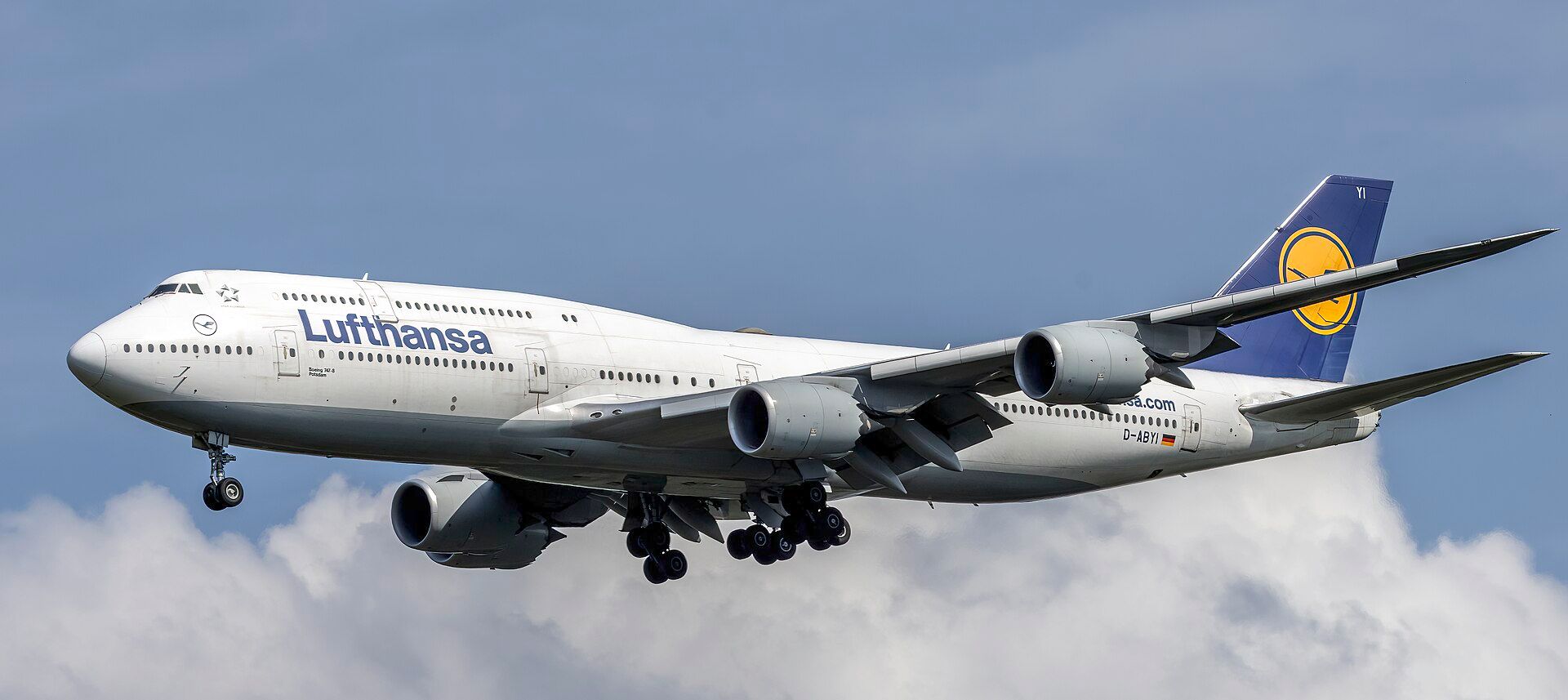
On a recent flight into Los Angeles International Airport (LAX), a Lufthansa Boeing 747-8 came perilously close to a tail strike before the pilots aborted the landing and performed a go-around. The quadjet eventually touched down safely, just under half an hour behind schedule. While no damage or injuries were reported, the incident has reignited discussions about the challenges of operating very large aircraft at constrained urban airports and the critical importance of go-around decision-making.
LAX, one of the busiest airports in the world, presents a unique set of challenges for heavy long-haul aircraft. Its runways are relatively close together, and the surrounding terrain and noise abatement procedures often require pilots to fly steeper approaches than at many other major hubs. For the Boeing 747-8, the longest commercial airliner in service, these factors are amplified. The aircraft's considerable length—over 250 feet—means that even a slight over-rotation during the flare can cause the tail to contact the runway. This phenomenon, known as a tail strike, can result in significant structural damage and costly repairs.
The incident unfolded as the Lufthansa crew was on final approach. According to initial reports, the aircraft was low and fast, and as the pilots initiated the flare, the main landing gear touched down but the nose remained high. Realizing the risk of a tail strike, the crew elected to abort the landing, applying takeoff thrust and climbing away. A go-around is a standard maneuver, but in a 747-8 it requires precise energy management. The aircraft then entered a holding pattern to burn fuel and reduce weight before making a second approach. It landed without further incident approximately 30 minutes later.
While the exact cause of the unstable approach is still under investigation, industry experts point to a combination of factors that can lead to such scenarios. These include gusty winds, which were reportedly present at LAX that day, and the possibility of a late configuration change or an incorrect autothrottle setting. The 747-8, despite its advanced fly-by-wire systems, remains a heavy aircraft that demands careful speed control. In the hands of a well-trained crew, however, the go-around is a safe and routine procedure—one that is always preferable to forcing an unstable landing.
For Lufthansa, the incident is a reminder of the operational margins inherent in flying the 747-8. The German carrier is one of the largest operators of the type, with a fleet of 19 aircraft used primarily on high-demand routes to North America and Asia. LAX is a key destination for Lufthansa, served daily by the 747-8 from Frankfurt. The airline has a strong safety record and a rigorous training program that emphasizes stabilized approach criteria and early go-around decisions. In this case, the system worked as intended: the crew recognized the unstable approach and took corrective action.
From an industry perspective, the event highlights the ongoing challenges of integrating very large aircraft into congested airspace. As airports like LAX continue to operate near capacity, and as airlines push for maximum efficiency, the margin for error can narrow. The go-around, while disruptive to schedules, is a critical safety valve. It is also a reminder that even the most experienced pilots can encounter unexpected conditions. The 747-8's tail strike risk is well documented; Boeing has incorporated design features such as a tail skid and enhanced flight envelope protection to mitigate it, but pilot technique remains the ultimate safeguard.
Looking ahead, the incident is unlikely to have lasting repercussions for Lufthansa or the 747-8 program. The aircraft is expected to be inspected and returned to service after a routine check. However, it serves as a valuable case study for pilots and dispatchers alike. As the aviation industry continues to recover from the pandemic, with record passenger numbers and high load factors, the pressure on crews to complete flights on time is immense. This event underscores that safety must always take precedence over schedule. The go-around is not a failure but a professional decision—one that likely prevented a serious incident and kept passengers and crew safe.
In the end, the Lufthansa 747-8 landed safely, a testament to the crew's training and the robustness of modern aviation procedures. It is a reminder that even in an era of advanced automation, the human element remains central to flight safety.
Comments (0)
No comments yet. Be the first to share your thoughts.