 Sky
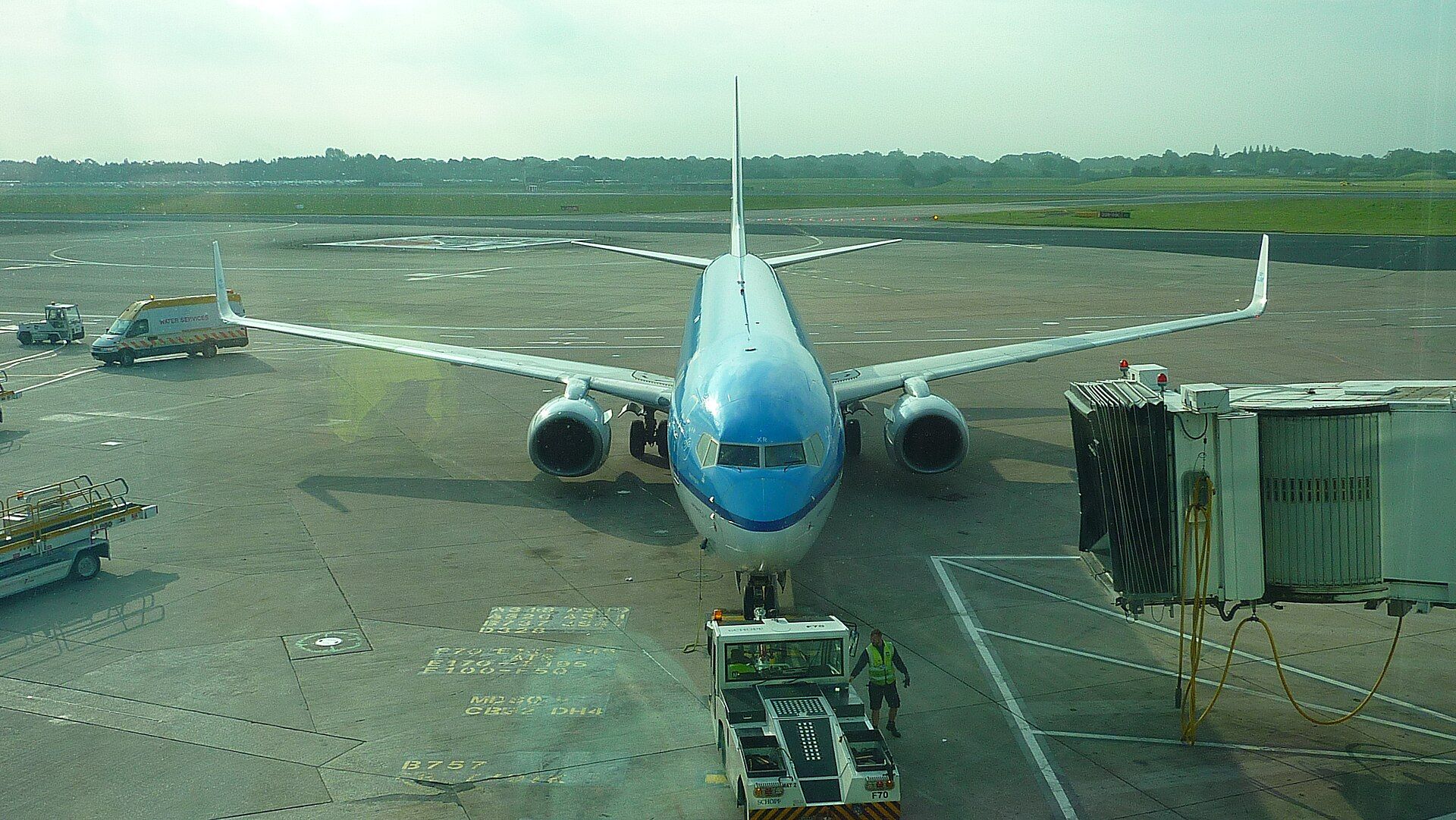
United Airlines has quietly become one of the most aggressive operators of the Boeing 737 MAX on long-distance missions, and its winter 2027 schedule makes that ambition plain. The Chicago-based carrier is assigning the narrowbody to a roster of nonstop services that stretch beyond 3,000 miles, a distance band once considered the near-exclusive preserve of widebody aircraft. For an industry trained to think of the MAX as a short- and medium-haul workhorse, the move is a meaningful signal about how far single-aisle economics have traveled.
The background here matters. For decades, airlines drew a fairly firm line between narrowbodies and widebodies, with range as the dividing criterion. The 737 MAX family, particularly the higher-capacity MAX 9 and MAX 10 variants, has blurred that line. Improved engines, aerodynamic refinements and higher maximum takeoff weights have extended the type's practical reach, while airlines have grown more comfortable scheduling longer sectors with single-aisle equipment when demand does not justify a widebody. United has been at the forefront of that shift, using the MAX to open and sustain routes that would struggle to fill a larger aircraft.
The key facts are straightforward but consequential. United's winter 2027 schedule places the 737 MAX on city pairs exceeding 3,000 miles, with several sectors pushing toward the outer edge of the aircraft's published range. These are not token assignments. They reflect deliberate network decisions about which markets can support a nonstop link at the right frequency and fare level. Winter scheduling adds another layer of complexity: headwinds on westbound transatlantic and transpacific segments, plus the possibility of alternate-airport diversions, eat into effective range and demand careful payload management. United's planners are effectively betting that disciplined weight and fuel planning, combined with the MAX's operating economics, can make these missions work.
Why does this matter beyond United? First, it is a competitive lever. Long, thin routes flown by narrowbodies allow carriers to serve markets that cannot sustain widebody service, opening secondary city pairs and reducing reliance on hub connections. Second, it pressures rivals. Airbus has positioned the A321LR and A321XLR as long-range single-aisle leaders, and every MAX long-haul route United announces is a data point in that contest. Third, it has implications for airport planning and slot allocation, since narrowbody long-haul service can shift traffic patterns at constrained hubs.
There are caveats worth stating plainly. Range is not the same as comfort, and passenger experience on multi-hour narrowbody sectors remains a talking point, particularly around premium cabins and onboard amenities. Crew duty limits, maintenance scheduling and turnaround times also constrain how aggressively any airline can stretch a single-aisle fleet. And winter weather introduces operational risk that widebody operators feel less acutely on comparable routes. United's approach appears to be incremental rather than reckless, but the margin for error on these missions is thinner than on a traditional transatlantic widebody crossing.
Industry implications extend to fleet strategy. If long-range narrowbody missions prove reliably profitable, expect more carriers to reconsider order books weighted toward widebodies for thinner long-haul markets. Boeing, still working to restore confidence and ramp production, benefits from every credible demonstration that the MAX can handle demanding missions. Conversely, any operational hiccup on a high-profile long route would draw scrutiny.
Looking ahead, United's winter 2027 schedule should be read as a test bed rather than a final statement. The carrier will watch load factors, yield and operational reliability closely, and routes that underperform will likely be trimmed or re-equipped. What seems clear is that the boundary between narrowbody and widebody networks will keep eroding. United is not merely flying the 737 MAX farther; it is helping redefine what a single-aisle airline network can look like in the years ahead.
Comments (0)
No comments yet. Be the first to share your thoughts.